
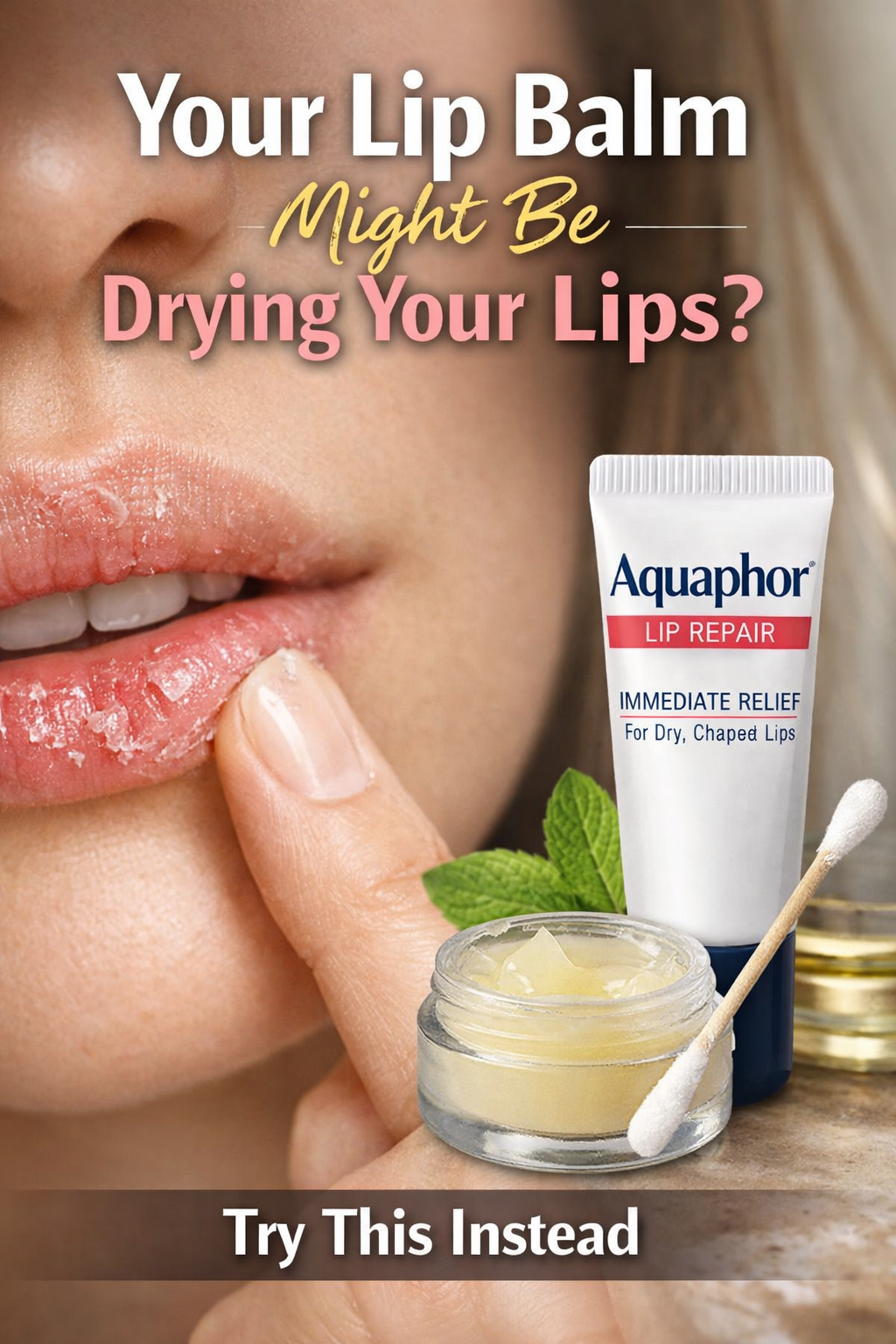
Lip balm is supposed to help, so it’s frustrating when your lips still feel dry, tight, or flaky no matter how often you reapply it. The surprising part is that sometimes the problem isn’t that you aren’t using enough lip balm — it’s that the formula itself may be irritating your lips, or your habits are keeping the dryness cycle going.
That’s why this is less about “using more product” and more about clean maintenance: keeping your lips protected, avoiding irritating formulas, and not repeatedly doing the small things that keep them from healing. If your lips always feel dry by the end of the day, this is usually a routine issue before it’s a product-count issue.
Why Lip Balm Can Sometimes Make Dry Lips Feel Worse
A lot of lip products are designed to feel instantly comforting. The problem is that “cooling,” “tingling,” or strongly flavored formulas can make lips feel active without actually helping the skin barrier recover.
If a lip balm burns, stings, or tingles, that usually means irritation — not healing.
Common ingredients that can make dry lips worse include:
- camphor
- menthol
- eucalyptus
- fragrance
- cinnamon
- mint
- peppermint
- phenol
- salicylic acid
So if you’re constantly reapplying balm but never feel “healed,” the issue may be that your lip balm is giving temporary relief while quietly keeping the irritation cycle going.
The Real Problem Is Often Barrier Damage
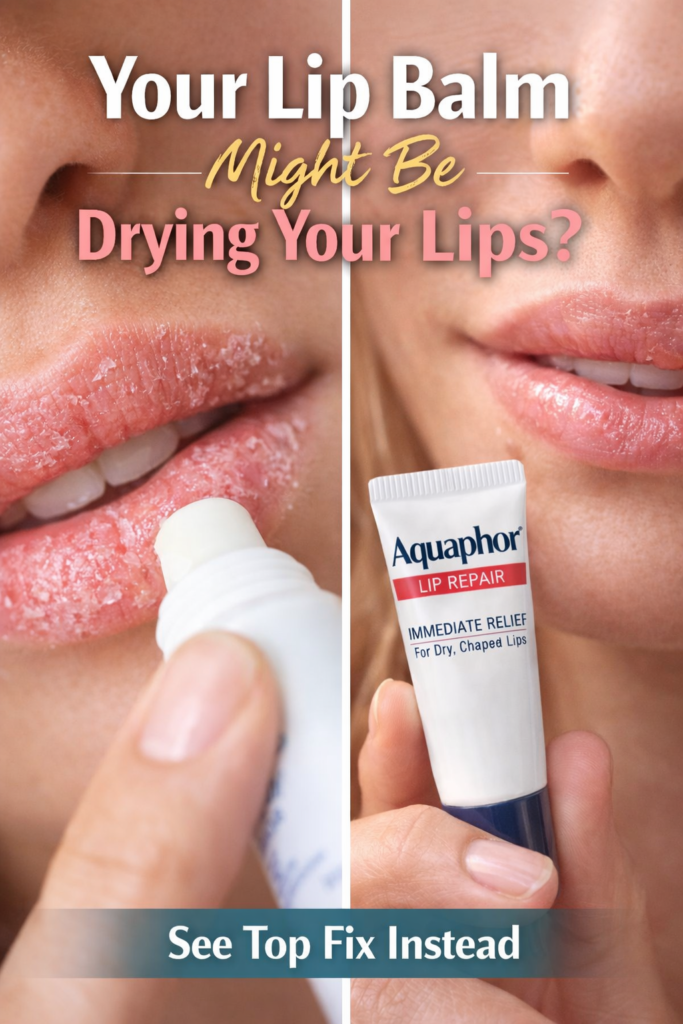
Your lips are more delicate than most of the skin on your face. They lose moisture easily, and once they’re irritated, they stay vulnerable. That’s why dry lips often turn into a cycle:
- lips feel dry
- you apply more product
- the product irritates slightly
- lips feel worse later
- you reapply again
If the formula isn’t helping the barrier, you end up managing symptoms instead of fixing the cause.
A better approach is to look for simpler, protective ingredients that help seal in moisture, such as:
- petrolatum
- mineral oil
- dimethicone
- ceramides
- shea butter
- white petroleum jelly
These tend to work better because they help reduce moisture loss and support healing instead of adding more irritation.
This is why some people do better with plain, simple formulas than with trendy “cooling” or scented balms. Less exciting often works better.
Recommended product
A simple fragrance-free healing lip balm is the best fit here because it helps protect the lip barrier without adding extra irritation.
Flavored, Minty, and “Tingly” Formulas Can Backfire
One of the biggest reasons people feel like lip balm is “not working” is that the product is too active for already dry lips.
This matters because many lip balms are marketed in a way that makes those formulas sound appealing:
- mint = “refreshing”
- cinnamon = “plumping”
- menthol = “cooling”
- flavor = “more enjoyable”
But if your lips are already dry, those extras can make them feel more sensitive, not less.
That doesn’t mean every flavored balm is automatically bad for everyone. It means that if your lips are dry, peeling, or irritated, heavily flavored or strongly scented formulas are one of the first things worth removing.
The Habit Loop That Keeps Lips Dry
Sometimes the balm isn’t the only issue — the habit around it is.
Lip licking
It feels like a quick fix, but it usually makes dryness worse. Saliva evaporates quickly and leaves lips drier overall.
Constant reapplication
Reapplying a good balm is normal. Reapplying an irritating one every 20–30 minutes can keep your lips in a nonstop irritation cycle. If you feel like you need lip balm constantly and your lips never feel comfortable, that’s often a sign the formula isn’t right.
Picking peeling skin
This is one of the fastest ways to turn mild dryness into soreness. Even if the peeling bothers you, pulling at it delays healing and leaves lips more exposed.
A better maintenance approach is to apply a non-irritating balm consistently, then leave your lips alone long enough for the barrier to recover.
What a Better Lip Routine Looks Like
If your lips stay dry no matter what, simplify everything.
1) Use a plain, non-irritating balm
Choose a simple, fragrance-free balm with protective ingredients instead of “active-feeling” ones. Ointment-style formulas can be especially helpful because they seal in moisture longer than lighter waxes or oils.
2) Apply before bed
Nighttime is one of the best times to help lips recover because you’re not eating, drinking, or wiping the product away constantly. A thicker layer before bed often works better than reapplying small amounts all day.
3) Protect lips during the day
If you’re outdoors, use lip protection with SPF. Sun exposure can make dryness and irritation worse.
4) Support the environment around your lips
Dry air, wind, dehydration, and mouth breathing can all make lips worse.
A few simple habits help:
- drink enough water
- avoid very dry air when possible
- use a humidifier if indoor air feels dry
This is why “better lips” often comes from a routine reset, not just a new tube of balm.
Signs Your Lip Balm May Be the Problem
If you’re not sure whether your lip balm is helping or hurting, look for these clues:
- your lips sting when you apply it
- you feel relief for a few minutes, then more dryness later
- you keep needing more and more of it
- your lips peel despite frequent use
- minty, flavored, or plumping products seem to make things worse
In other words, your lips are usually telling you when something isn’t working.
When It’s More Than Just “Dry Lips”
Most dry lips improve with a simpler routine, but sometimes ongoing irritation can be caused by something else, like an allergic or irritation-based reaction.
If your lips stay dry for weeks, crack badly, swell, burn often, or seem to react to multiple products, it may be worth seeing a dermatologist to rule out a deeper issue.
Conclusion
If your lips always feel dry, your lip balm may not be the fix you think it is. In many cases, the issue is not “not enough balm” — it’s the wrong kind of balm, repeated irritation, or habits that keep the lip barrier from recovering. Strong flavors, menthol-style cooling ingredients, fragrance, and constant licking can all keep lips stuck in a dry cycle. A simpler routine usually works better: use a plain, non-irritating balm, protect your lips from sun and dry air, and give them time to heal instead of constantly switching products. Often, the best lip care is the least complicated.
FAQs
Can lip balm actually make lips drier?
Yes. Some lip balms contain ingredients that can irritate dry lips, especially if they contain menthol, camphor, fragrance, or strong flavorings.
What ingredients should I avoid if my lips are chapped?
Common ones to avoid include camphor, menthol, eucalyptus, fragrance, cinnamon, mint, peppermint, phenol, and salicylic acid.
What ingredients are better for dry lips?
Simpler barrier-supporting ingredients like petrolatum, white petroleum jelly, mineral oil, dimethicone, ceramides, and shea butter are usually better choices.
Why do I keep reapplying lip balm all day?
Sometimes it’s just dry weather, but if you constantly need reapplication and still feel dry, the formula may be irritating your lips or not sealing in moisture well.
Does licking your lips make dryness worse?
Yes. Saliva evaporates quickly and can leave lips drier than before.
Leave a Reply